
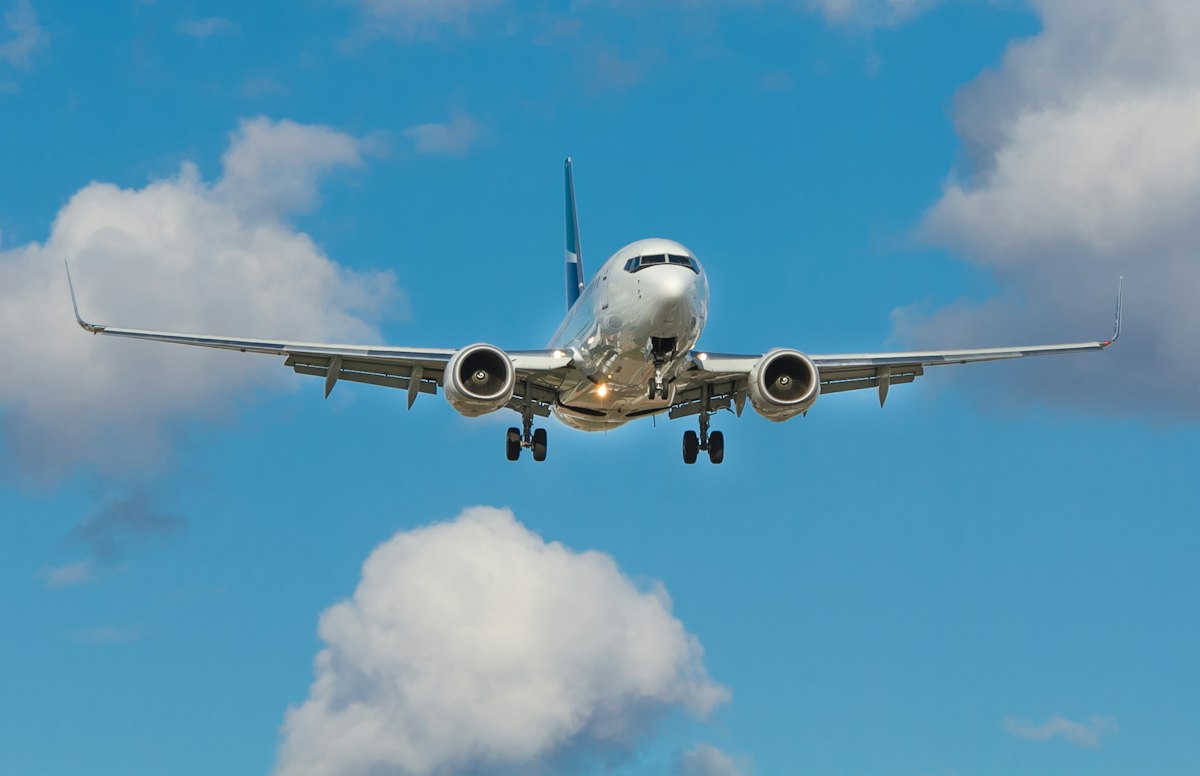
Airframe structures carry flight and ground loads through the fuselage, wings, and empennage. Structural maintenance keeps those load paths serviceable and documents findings that influence later program decisions.
Load Paths and Why Structure Matters
Primary structure transfers loads from landing gear, engines, control surfaces, and cabin pressure into a continuous path through frames, spars, and skins. Maintenance around those members protects the aircraft’s ability to carry those loads within design intent.
Secondary structure and fairings still matter because their condition affects access, aerodynamics, and how moisture or debris reaches primary members.
Structural Assessment Activities
Structural assessments range from visual reviews to more detailed examinations of skins, fasteners, and joints. Findings such as corrosion, wear, or deformation are recorded with location references so later visits can track progression or completed repairs.
Access planning
Meaningful assessment depends on access. Removing interiors, fairings, or panels takes time, so structural tasks are often scheduled with cabin or systems work that already opens the same zones.

Fuselage, Wing, and Tail Focus
Fuselage work may involve skins, frames, doors, and floor support structure. Wing work often includes spars, ribs, trailing-edge areas, and attach fittings. Tail structure covers stabilisers, fin attachments, and related control surface hinges within the agreed scope.
Each zone has different access equipment needs and different interactions with systems routed through the same volume.
Fitting Structure Work Into Packages
Heavy structural tasks rarely stand alone. They sit beside mechanical, avionics, or interior activities. Gulfaviorexanta outlines this coordination in airframe and structural maintenance service pages.
Follow-Up and Records
Clear photographs, maps of findings, and material references support future assessments. Structured records also help planners forecast whether a finding needs a dedicated structural visit or can wait for the next heavy package.